



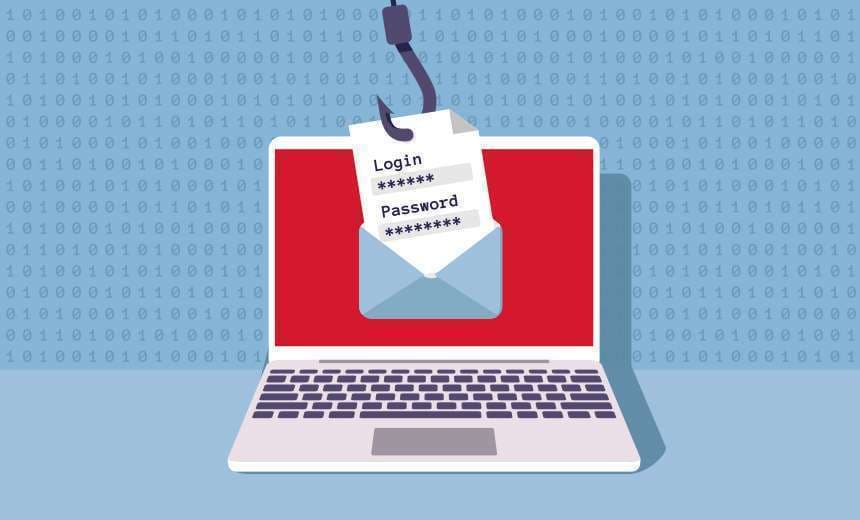
In today’s fast-paced digital world, business email remains the lifeblood of communication. It facilitates deals, fosters collaboration, and keeps the wheels of commerce turning. However, lurking within the seemingly innocuous world of business emails lies a growing cyber threat: Business Email Compromise (BEC). This sophisticated scam targets businesses of all sizes, causing significant financial losses and reputational damage.
Understanding BEC: A Deceptive Disguise
BEC scams operate by impersonating legitimate individuals within a company or trusted external partners. Think of a CEO sending an email that appears to be from them, requesting a wire transfer to a “new” vendor account (with a fabricated explanation), or a seemingly urgent email from a familiar supplier asking for sensitive company information. These emails are crafted to appear genuine, often exploiting urgency and trust to bypass necessary precautions.
Why Securing Business Emails is Crucial: The Delicate Balance
The consequences of falling victim to a Business Email Compromise scam can be devastating. Here’s why securing your emails is paramount:
- Financial Loss: The primary goal of BEC scams is to steal money. According to the FBI, businesses lost over $43 billion to BEC scams between 2016 and 2021. A single successful attack can drain company coffers and cripple operations.
- Reputational Damage: News of a BEC attack can severely damage a company’s reputation. Clients and partners may lose trust, leading to lost business opportunities and a tarnished brand image.
- Disruption of Operations: BEC attacks can disrupt normal business activities. The aftermath of a successful scam can involve investigations, data recovery efforts, and implementing new security protocols, leading to costly downtime.
- Erosion of Employee Morale: Employees who fall victim to a BEC scam may feel embarrassed or humiliated. This can create a climate of fear and distrust within the organization.
The Art of Deception: How BEC Scammers Exploit Weaknesses
BEC attackers rely on a combination of social engineering tactics and technological know-how to pull off their schemes. Here are some common techniques they employ:
- Domain Spoofing: They create email addresses that closely resemble those of legitimate contacts. For example, an attacker might create an email address like “[email address removed]” instead of “[email address removed].”
- Spoofed Caller ID: They can manipulate phone numbers displayed on caller ID to appear as if they’re calling from a familiar source, following up on their fraudulent email.
- Urgency and Pressure: BEC emails often create a sense of urgency or pressure, urging the recipient to act quickly without proper verification.
- Pretexting: Attackers research the target company and its employees beforehand. They use this information to craft emails that appear more believable and relevant.
Securing Your Emails: Balancing User Experience with Protection
Here’s where things get interesting. Securing your emails involves striking a balance between user experience and robust protection. Here are some key considerations:
- Employee Training: Regular awareness training for all employees is crucial. However, overly complex training programs can be counterproductive, leading to user frustration and potential workarounds. The challenge lies in creating engaging, understandable training that effectively educates employees on identifying red flags without hindering their daily workflow.
- Multi-Factor Authentication (MFA): MFA adds a significant layer of security. However, implementing complex MFA processes can create friction for users who may find them cumbersome and time-consuming. The key is to find a balance between security and user-friendliness, potentially offering a range of MFA options with varying levels of complexity.
- Email Filtering and Anti-Spoofing Technologies: These tools can be highly effective. However, overly aggressive filtering can lead to legitimate emails being blocked, disrupting communication and workflow. Finding the right balance requires careful configuration and ongoing monitoring to ensure only suspicious emails are flagged.
- Verification Procedures: Clear verification procedures for financial transactions and sensitive data sharing are vital. However, overly complex verification processes can slow down business operations and frustrate employees and clients. Striking a balance involves implementing a system that ensures security without creating unnecessary delays.
The Impact Factor: Considering the Human Element
Beyond the technical safeguards, consider the human element in securing your emails.
- User Behavior: Employees are often the first line of defense against BEC scams. Fostering a culture of cybersecurity awareness within your organization is crucial. Encouraging employees to report suspicious emails promptly and creating a safe space for them to ask questions without fear of judgment, can significantly reduce the risk of falling victim to a BEC attack.
- Communication and Transparency: Keeping employees informed about emerging threats and security protocols is vital. Regular communication and transparency not only educate employees but also build trust and encourage them to be vigilant.
Taking Action:
Ready to take action against BEC? Here are some steps you can take today:
- Schedule an awareness training session for your employees.
- Review and update your email filtering and security protocols.
- Establish clear verification procedures for financial transactions and data sharing.
- Open a dialogue with your employees about cybersecurity best practices.
By implementing these steps and staying vigilant, you can significantly reduce the risk of falling victim to a BEC scam and protect your business for the future.
In today’s digital landscape, email remains the backbone of business communication. However, this reliance on email also creates vulnerabilities to sophisticated scams like Business Email Compromise (BEC). These scams can inflict significant financial losses, reputational damage, and operational disruptions.
The good news is that by taking a proactive approach, you can significantly reduce the risk of falling victim to a BEC attack. By implementing a layered defense of technological safeguards, employee training, clear verification procedures, and a culture of cybersecurity awareness, you can create a more secure email environment.
Remember, cybersecurity is an ongoing process, not a one-time fix. Staying updated on evolving BEC tactics and adapting your security measures is crucial.
Need help navigating the complexities of email security and mitigating BEC threats? At Tech365, our team of expert cybersecurity consultants possesses years of experience in safeguarding businesses from cyberattacks. We understand the evolving tactics of BEC scammers and can help you develop a comprehensive security strategy tailored to your specific needs.
We’ve helped countless businesses like yours save thousands of dollars by preventing BEC scams.
Ready to learn more and protect your business? Click the link to contact Tech365 and schedule a free consultation call. Together, we can create a robust email security system that safeguards your valuable information and empowers your employees to be vigilant against cyber threats.